
SEPTEMBER 18, 2026
Ghee and Cholesterol: What Ayurveda & Science Say
Ghee and Cholesterol: Should You Be Concerned?
You love that little spoonful of ghee over your dal. Maybe you grew up watching your mother add it to hot rotis, or your grandmother insist that a little ghee makes every meal better.
But then you got your cholesterol report.
And suddenly, that same spoonful of ghee doesn't feel quite as innocent.
Does ghee increase cholesterol?
Should you stop eating it if your cholesterol is high?
Is Bilona ghee any different?
And if Ayurveda has valued ghee for centuries, why is modern nutrition so cautious about it?
If you've ever found yourself asking these questions, you're definitely not alone.
Ghee sits in a rather interesting space. It has been part of Indian food and Ayurvedic traditions for generations. Still, modern nutrition looks at it through a different lens, particularly its saturated fat content, cholesterol and possible effect on blood lipids.
So, should you be reaching for your ghee jar without a second thought, or is there more to the story?
Let's separate the traditional wisdom from the modern science and understand what we actually know about ghee and cholesterol.
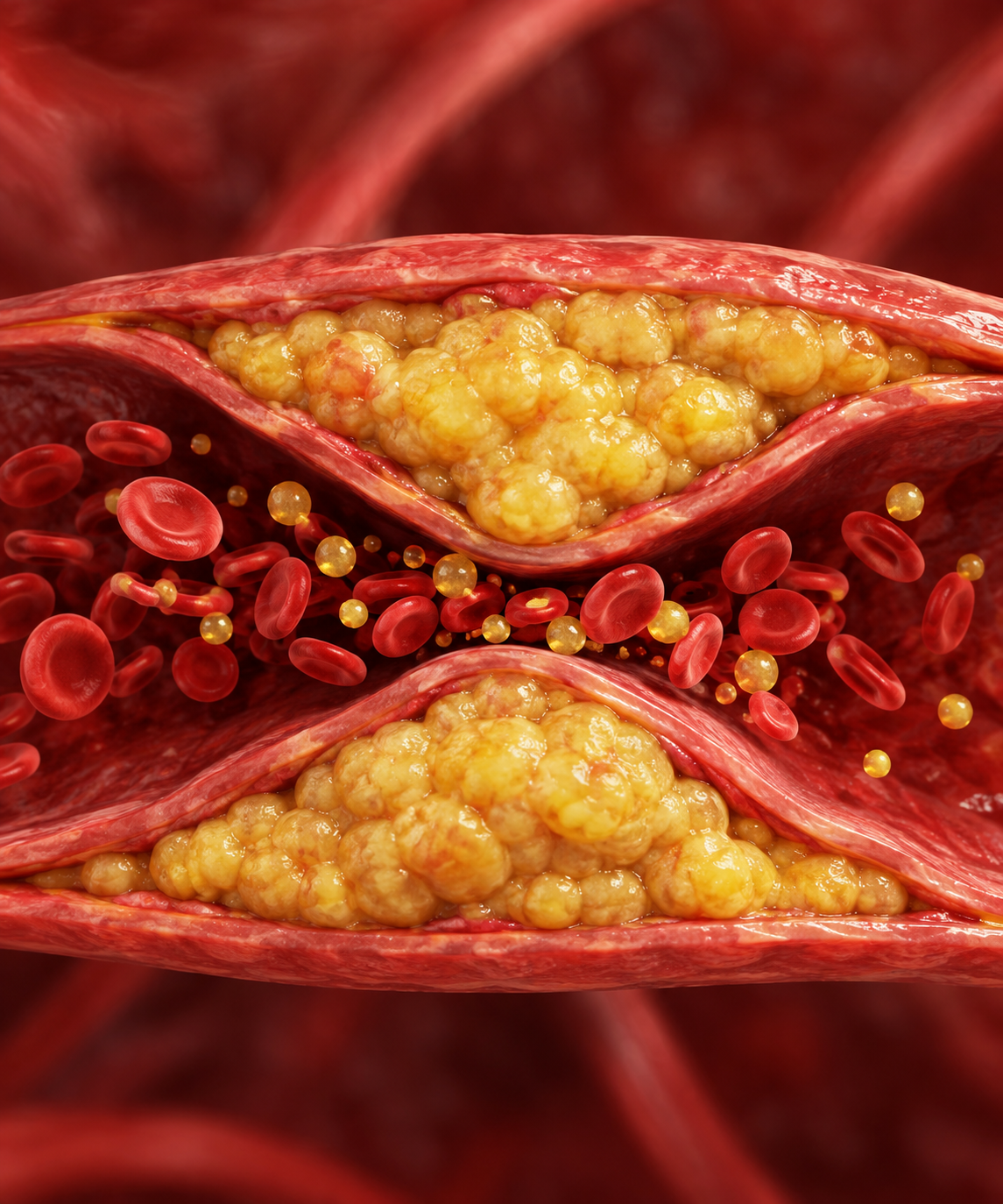
Does Ghee Contain Cholesterol?
Yes, it does.
Since ghee is made from milk fat, it naturally contains cholesterol. It's also a concentrated source of fat.
But before you start worrying about that spoonful of ghee on your dal, there's an important distinction to understand.
Dietary cholesterol and blood cholesterol are not the same thing.
Just because a food contains cholesterol doesn't mean your blood cholesterol will automatically rise by the same amount.
Your cholesterol levels are influenced by several factors, including your genetics, overall diet, saturated fat intake, body weight, physical activity and metabolic health.
So, looking at the cholesterol content of ghee alone doesn't tell you the complete story.
Does Ghee Increase Cholesterol?
Now, here's the question most people really want answered:
Does eating ghee actually increase cholesterol?
The honest answer is that ghee can affect blood lipid levels, but it's not as simple as saying that eating ghee will automatically raise your cholesterol.
Research specifically looking at ghee and cholesterol is still limited, and the findings aren't completely consistent.
Some studies have reported changes in cholesterol or triglyceride levels after consuming ghee, while others have found little or no significant change. A 2024 review of the available evidence also pointed out that we need larger, longer-term human studies to understand the cardiovascular effects of ghee more clearly.
So, it's important not to fall for either extreme.
Calling ghee a cholesterol-lowering food isn't supported by enough evidence.
But saying ghee automatically causes high cholesterol is an oversimplification too.
What matters is the bigger picture: how much ghee you eat, what else you're eating and your individual health profile.
What About the Saturated Fat in Ghee?
There's another part of the ghee and cholesterol conversation that often gets overlooked: saturated fat.
Ghee contains a significant amount of saturated fat. And that's worth paying attention to because saturated fat can influence LDL cholesterol levels.
This is one reason dietary guidelines recommend limiting excessive saturated fat and replacing some saturated fats with unsaturated fats where possible.
The World Health Organization recommends keeping saturated fat below 10% of total daily energy intake.
But does that mean you need to completely stop eating every food that contains saturated fat?
Not necessarily.
Think about your overall diet.
If your meals already include plenty of butter, cream, fatty meats, fried foods and other sources of saturated fat, adding large amounts of ghee every day can push your total saturated fat intake even higher.
On the other hand, using a small amount of ghee as part of an otherwise balanced diet is a different situation.
So instead of only asking, "Is ghee high in saturated fat?", ask yourself:
"How much saturated fat am I getting from my diet as a whole?"
That's a much more useful way to look at it.
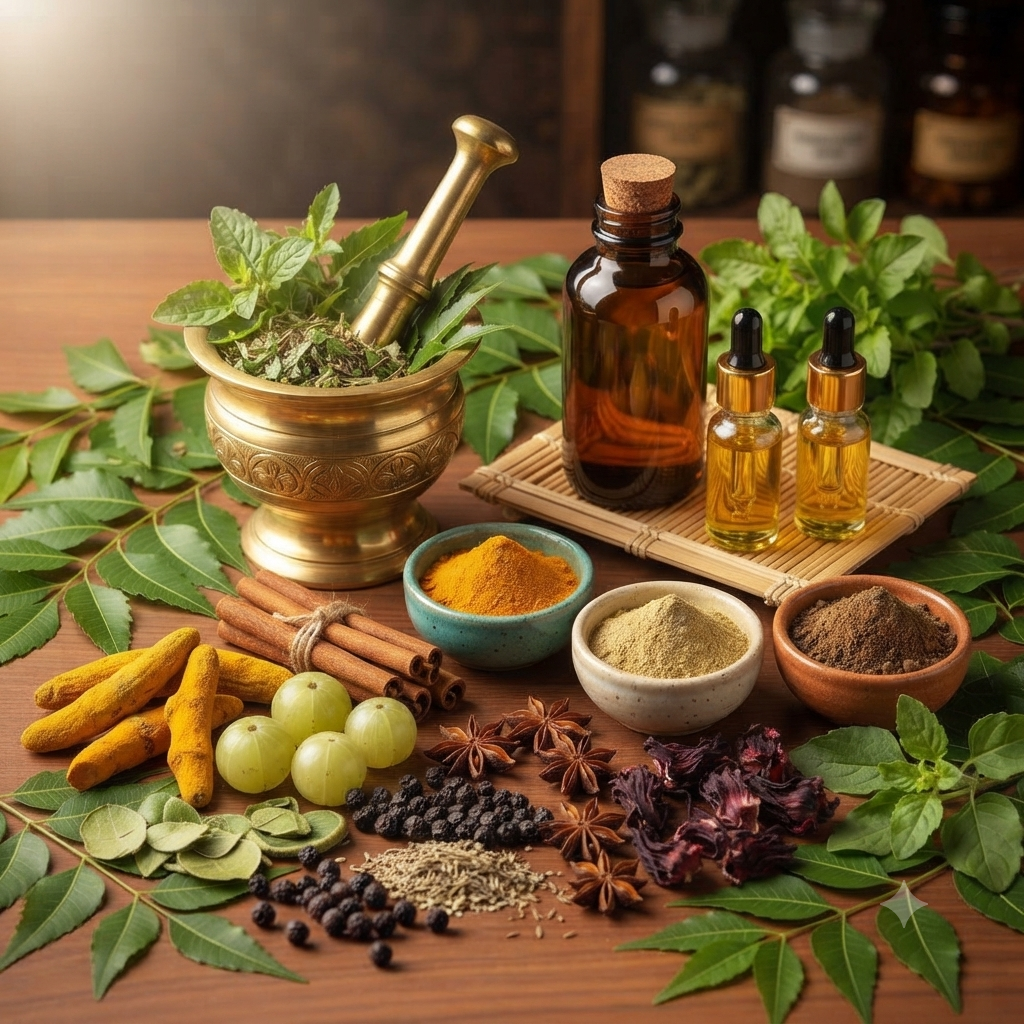
How Does Ayurveda Look at Ghee?
Modern nutrition tends to ask questions such as:
· How much saturated fat does ghee contain?
· What happens to LDL cholesterol?
· How does it affect blood lipid levels?
Ayurveda approaches the conversation differently. Traditionally, it considers factors such as the properties of a food, how it is prepared, how much is consumed and whether it is suitable for a particular individual.
And that's an important distinction to understand.
The fact that ghee has been traditionally used in Ayurveda tells us a lot about its place in Indian food and traditional wellness practices. But it doesn't automatically prove that ghee lowers cholesterol or prevents heart disease.
Those are questions that require modern clinical evidence.
At the same time, modern science doesn't erase the cultural and traditional role ghee has held for generations.
Ayurveda helps us understand why ghee has been valued traditionally, while modern science helps us understand what we know about its nutritional composition and potential effects on health.
Looking at both perspectives gives us a more complete picture of the food we already know and love.
What Does Ayurveda Say About Ghee?
For many of us, ghee isn't some new wellness trend we discovered online. It's something we grew up with.
It's the spoonful your mother added to dal, the ghee spread over a hot roti, or that familiar aroma coming from the kitchen when a traditional meal was being prepared.
Ghee has been a part of Indian food culture for generations, and its connection with Ayurveda goes back just as far. In Ayurveda, ghee is commonly referred to as ghrita and has traditionally been valued for its properties, preparation and uses.
It has been used in different ways, including:
As a food and cooking ingredient
In Ayurvedic formulations
As a medium for certain herbal preparations
As part of traditional dietary practices
But there's an interesting difference between how Ayurveda looks at ghee and how modern nutrition looks at it.
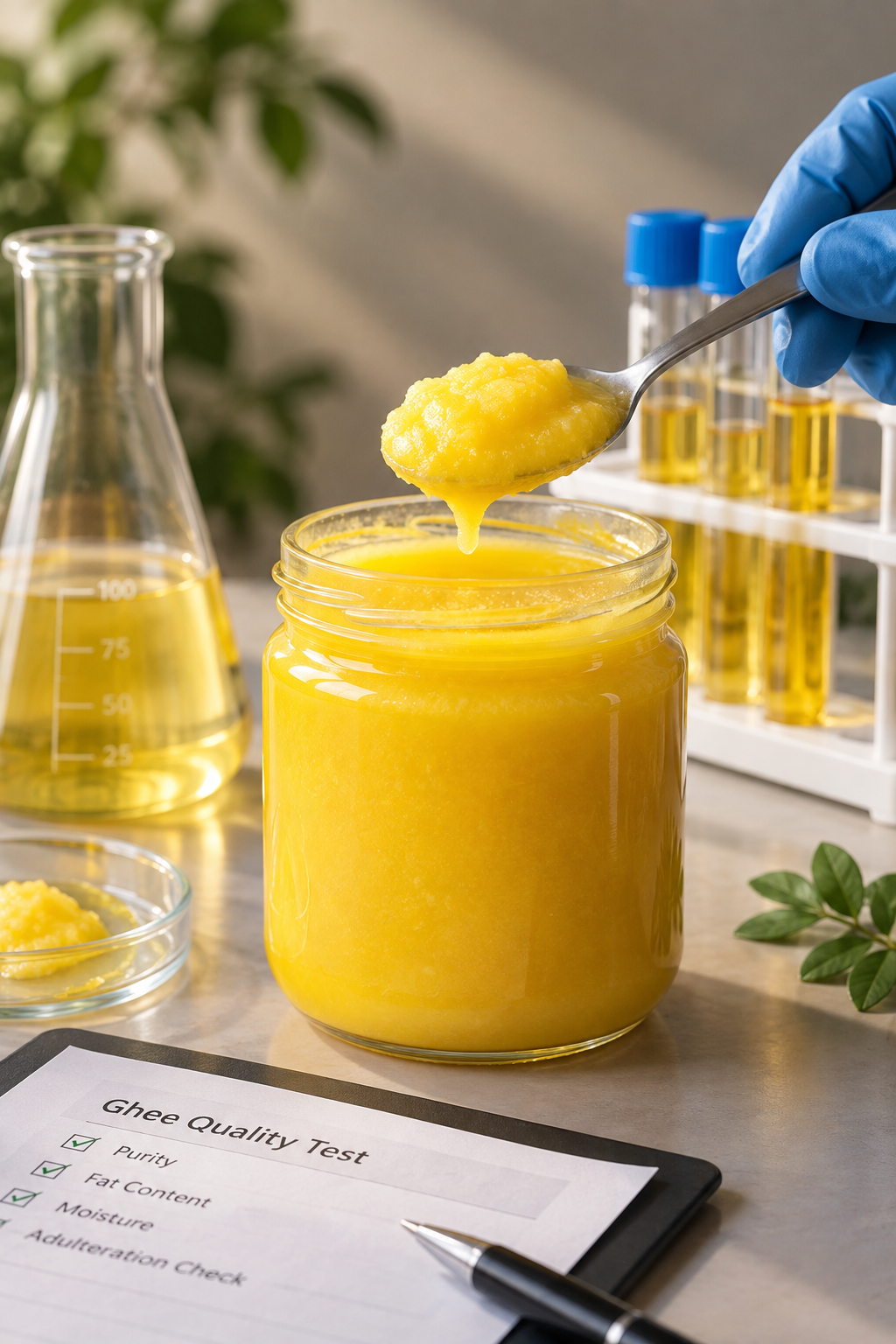
What Is Bilona Ghee and Does It Lower Cholesterol?
If you've been exploring traditionally prepared ghee, you've probably come across the term Bilona ghee.
The traditional Bilona method involves a few more steps than a straightforward industrial process. Milk is first turned into curd, the curd is churned to separate the butter, and the butter is then heated and clarified to make ghee.
Milk → Curd → Churning → Butter → Clarification → Ghee
For many people, the appeal of Bilona ghee isn't just about the final product. It's about going back to a traditional method of preparation that has been part of Indian food culture for generations.
But when it comes to Bilona ghee and cholesterol, there's an important distinction to understand.
Bilona describes a method of preparation. It doesn't mean the ghee is cholesterol-free.
Because Bilona ghee is still made from milk fat, it naturally contains fat and cholesterol. Similarly, there isn't enough clinical evidence to say that Bilona ghee lowers cholesterol or reduces cardiovascular risk.
So, if you're choosing Bilona ghee, look beyond claims that make it sound like a cholesterol-lowering food. Instead, pay attention to things you can actually verify, such as the source of the milk, ingredients, preparation process, food safety standards and product transparency.
Traditional preparation can certainly be meaningful, but it's important to separate how a food is made from what has been clinically proven about its health effects.
And if you already have high cholesterol, don't rely on ghee as a treatment. Look at your overall diet, saturated fat intake and lifestyle, and speak with a qualified healthcare professional about what works for you.
Because when it comes to ghee for cholesterol, there isn't a magic answer hiding inside one jar. Your overall diet and health profile matter far more.
Common Myths About Ghee and Cholesterol
Myth 1: Ghee Contains Cholesterol, So You Should Never Eat It
Fact: Ghee does contain cholesterol, but dietary cholesterol is only one factor affecting blood cholesterol. The overall dietary pattern, saturated fat intake and individual health factors also matter.
Myth 2: Ghee Has Good Cholesterol
Fact: Ghee itself doesn't contain "good cholesterol" or "bad cholesterol" in the way those terms are used to describe HDL and LDL in blood tests.
HDL and LDL are lipoproteins that transport cholesterol through your bloodstream.
Myth 3: Bilona Ghee Is Cholesterol-Free
Fact: The Bilona method refers to how ghee is traditionally prepared. It does not remove the naturally occurring cholesterol from milk fat.
Myth 4: Ghee Automatically Causes Heart Disease
Fact: Cardiovascular disease is influenced by many factors. However, because ghee is high in saturated fat, consuming large quantities can contribute to overall saturated fat intake.
Myth 5: More Ghee Means More Benefits
Fact: Ghee is calorie-dense and high in fat. More isn't automatically better. Quantity matters.
Myth 6: Ghee Is Always Healthier Than Vegetable Oil
Fact: Different fats have different fatty-acid compositions. Current dietary guidance generally recommends prioritising unsaturated fats over saturated fats.
Can You Eat Ghee If You Have High Cholesterol?
If you've been told that your cholesterol is high, you may have already started looking at your favourite foods a little differently.
And if ghee is part of your everyday meals, you may be wondering:
Do I need to stop eating ghee completely?
There's no one-size-fits-all answer.
If you have high LDL cholesterol, heart disease, diabetes or another condition that affects your cardiovascular risk, it's important to look at your overall diet and saturated fat intake, rather than focusing on ghee alone.
Ghee is a concentrated source of fat and contains saturated fat, so how much you consume matters. If your diet already includes plenty of butter, cream, fried foods or other sources of saturated fat, adding large amounts of ghee may increase your overall intake.
That doesn't necessarily mean you have to remove ghee from your kitchen altogether.
How to Enjoy Ghee as Part of a Balanced Diet
If you enjoy ghee, the focus can be on moderation and balance.
A small amount can add plenty of flavour to everyday foods such as:
Dal
Khichdi
Roti
Rice
Vegetables
Traditional Indian dishes
At the same time, make space on your plate for foods that provide fibre, vitamins, minerals and unsaturated fats, such as vegetables, fruits, whole grains, pulses, nuts and seeds.
And if you have high cholesterol, your doctor or a qualified dietitian can help you understand your lipid profile, overall cardiovascular risk and how much saturated fat fits into your diet.
Because when it comes to ghee and cholesterol, completely avoiding one food isn't always the whole answer.
What matters is the bigger picture: how much ghee you eat, what else you eat and what your individual health needs look like.
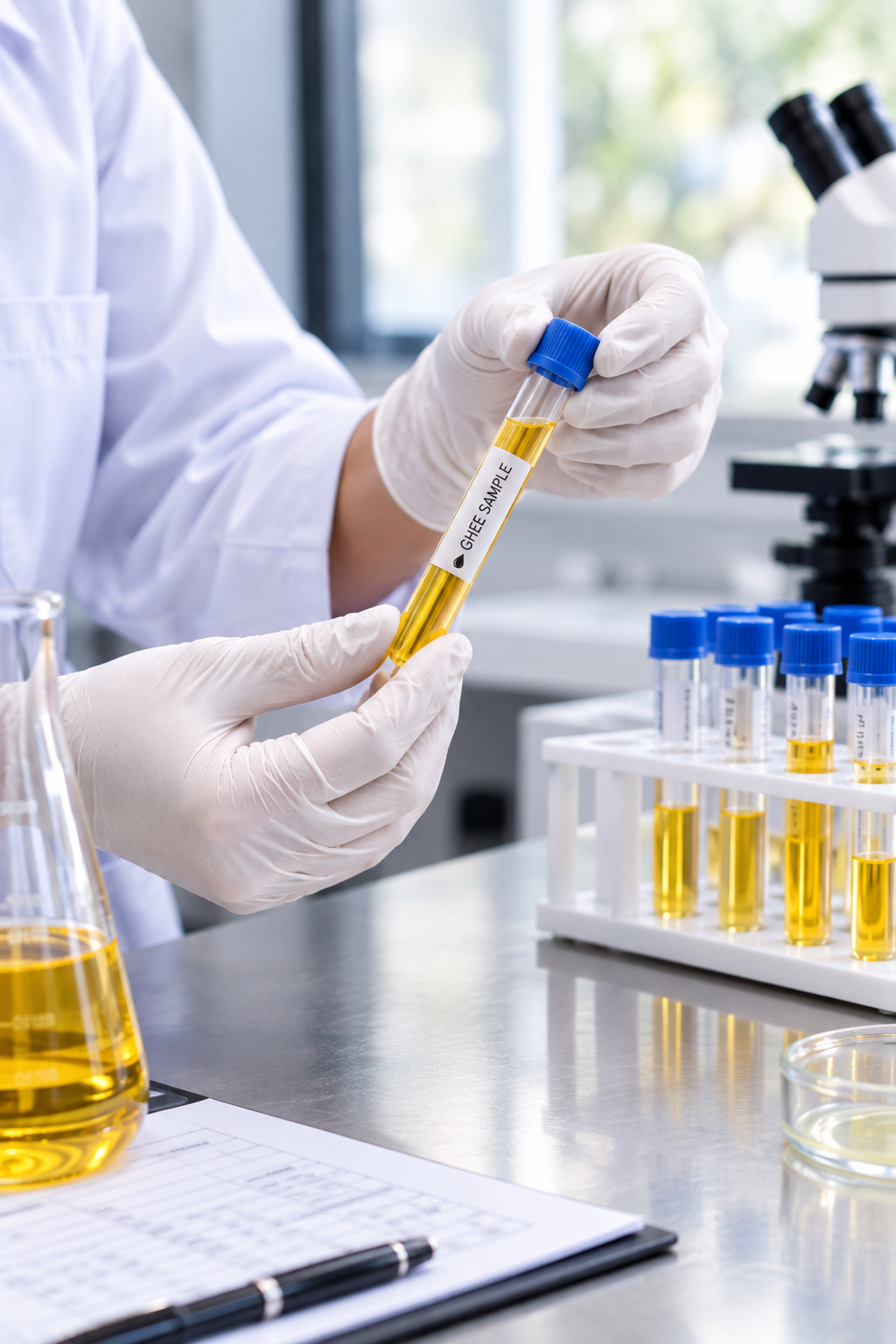
So, Is Ghee Good or Bad for Cholesterol?
After looking at both Ayurveda and modern science, you might still be wondering:
So, should I keep that spoonful of ghee on my plate or not?
The answer isn't as simple as good or bad.
Yes, ghee contains cholesterol and is a significant source of saturated fat. These are important things to keep in mind. But that doesn't mean that eating ghee automatically gives you high cholesterol.
Your body is unique. Your diet is unique. And so is the way you respond to different foods.
Ayurveda has valued ghee for generations and given it an important place in traditional Indian food and wellness practices. Modern science looks at the same food through its nutritional composition, saturated fat content, blood lipids and cardiovascular health. And when it comes to ghee and cholesterol, the research is still developing, with findings that aren't completely consistent.
So perhaps the better question isn't:
"Is ghee good or bad?"
Instead, ask yourself:
How much ghee am I eating?
How often am I eating it?
What does the rest of my diet look like?
Am I getting enough fibre and unsaturated fats too?
That's where the real answer lies.
Ghee doesn't have to be the hero of your diet, and it doesn't have to be the villain either.
It's a traditional food that has been part of Indian kitchens for generations. Enjoying it can be about flavour, familiarity and tradition. But like any concentrated source of fat, portion and overall dietary balance matter.
So, enjoy your dal with ghee. Enjoy that warm roti. Just keep the bigger picture in mind.
And if you've already been told that your cholesterol is high, don't let a social media post, a food trend or a single health claim decide what goes on your plate. Get your lipid profile checked and speak with a qualified healthcare professional about what works for you.
Because healthy eating isn't about fearing one ingredient. It's about understanding your food, knowing your body and finding a balance that works for you.